Write the return route before the food freezes
A label that says only what is inside leaves the hardest decision for later. Add the intended first step, such as “thaw in refrigerator” or “microwave from frozen if the recipe and container allow”, and keep the package instructions available. The route must fit both the food-safety guidance and the exact container.
Refrigerator
The slowest route and the easiest to plan ahead. Keep the food covered and contain possible drips.
Cold water
Use a leak-proof package, keep the water cold and follow USDA handling directions.
Microwave
Use only microwave-suitable packaging, vent as directed and continue promptly to safe reheating.
Cook from frozen
Use this only when the recipe, food type and appliance instructions support it.
A six-step freezer-to-table routine
- Read the label and inspect the package. Confirm the food, stored date, intended route and that the package is not damaged or unexpectedly open.
- Choose one safe thawing route. Do not improvise with a counter, hot water, porch, garage or other uncontrolled location.
- Move food into a suitable reheating vessel. A freezer-safe package is not automatically suitable for every microwave or oven.
- Vent or remove the lid exactly as directed. Steam needs a controlled exit. Manufacturer instructions take priority over a general habit.
- Heat evenly. Cover, stir, rotate and allow standing time when microwave guidance calls for it. Break large portions into smaller sections when the recipe allows.
- Verify temperature. FoodSafety.gov lists 165°F (74°C) for reheated leftovers. Check the center and other likely cold spots with a food thermometer.
Three documented container routes
These examples show different freezer-to-reheating formats rather than ranking every option. Manufacturer information and the existing Amazon Special Links were checked on 26 September 2026. Always verify the current listing and the exact instructions supplied with the product.
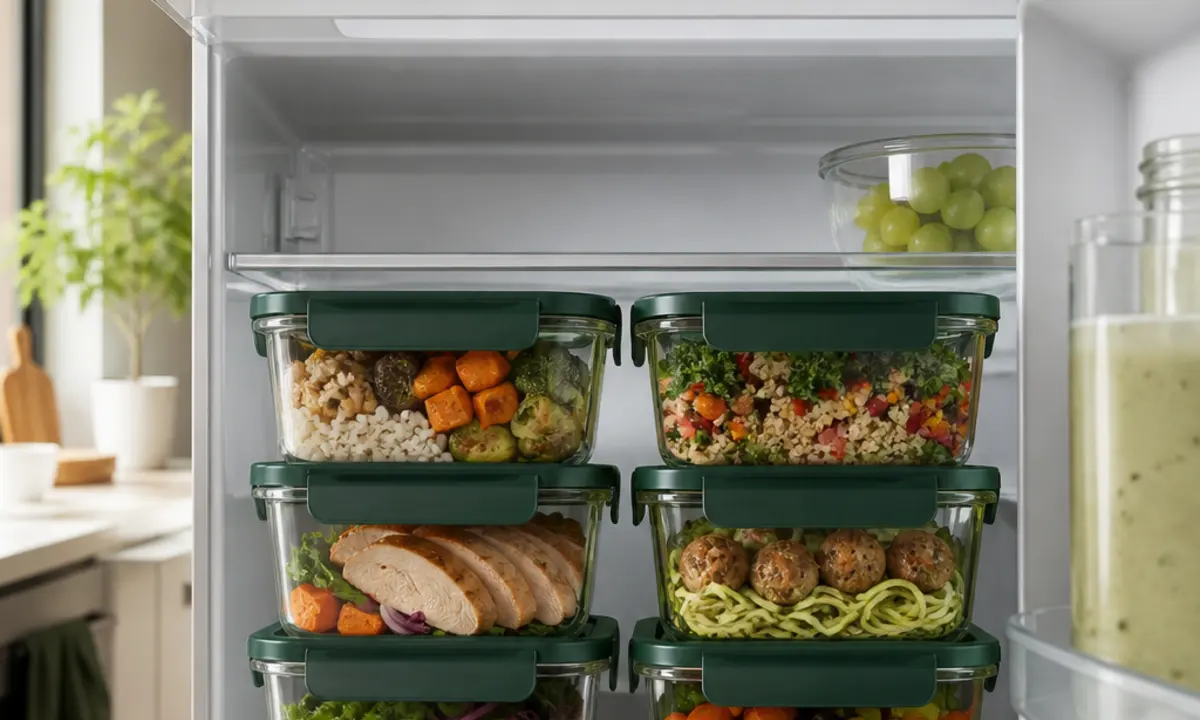
Rubbermaid Brilliance Glass
Why it made the shortlistConsider when a rigid glass base, visible portion and documented microwave or oven route fit the meal. Follow the thermal-shock guidance and use lids only as directed.
- Useful for
- A stackable glass system when reheating and stain resistance matter.
- Source-checked details
- Rubbermaid lists the range as freezer-, microwave- and dishwasher-safe, with glass bases oven-safe to 450°F. The manufacturer also specifies modular stacking and universal lids across Brilliance materials.
- Watch for
- Glass is heavier and takes more fixed freezer space. Follow the exact thermal-shock and lid instructions supplied with the product.
Check the exact model, seller, availability and current terms on the live listing before buying.
Image note: This generic, unbranded image illustrates the product type and is not a photograph of the exact named product.
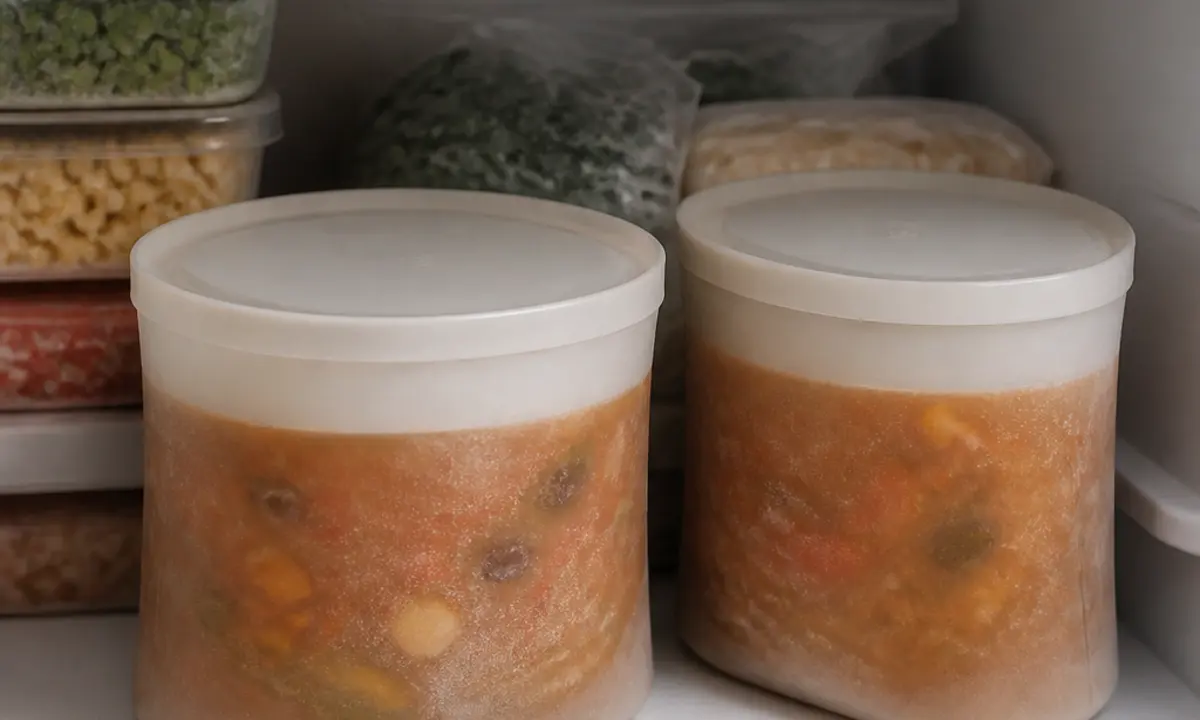
Ziploc Endurables Medium
Why it made the shortlistConsider when a self-standing flexible container and the manufacturer's freezer, microwave or oven directions match the portion. Vent and support it exactly as instructed.
- Useful for
- A four-cup flexible container that can move from freezer to reheating while remaining self-standing.
- Source-checked details
- Ziploc lists a four-cup capacity, secure-seal design and freezer, fridge, microwave, dishwasher and oven use up to 425°F.
- Watch for
- Vent as directed before heating, place on the appropriate dish or pan, and use care with hot contents and grab tabs.
Check the exact model, seller, availability and current terms on the live listing before buying.
Image note: This generic, unbranded image illustrates the product type and is not a photograph of the exact named product.
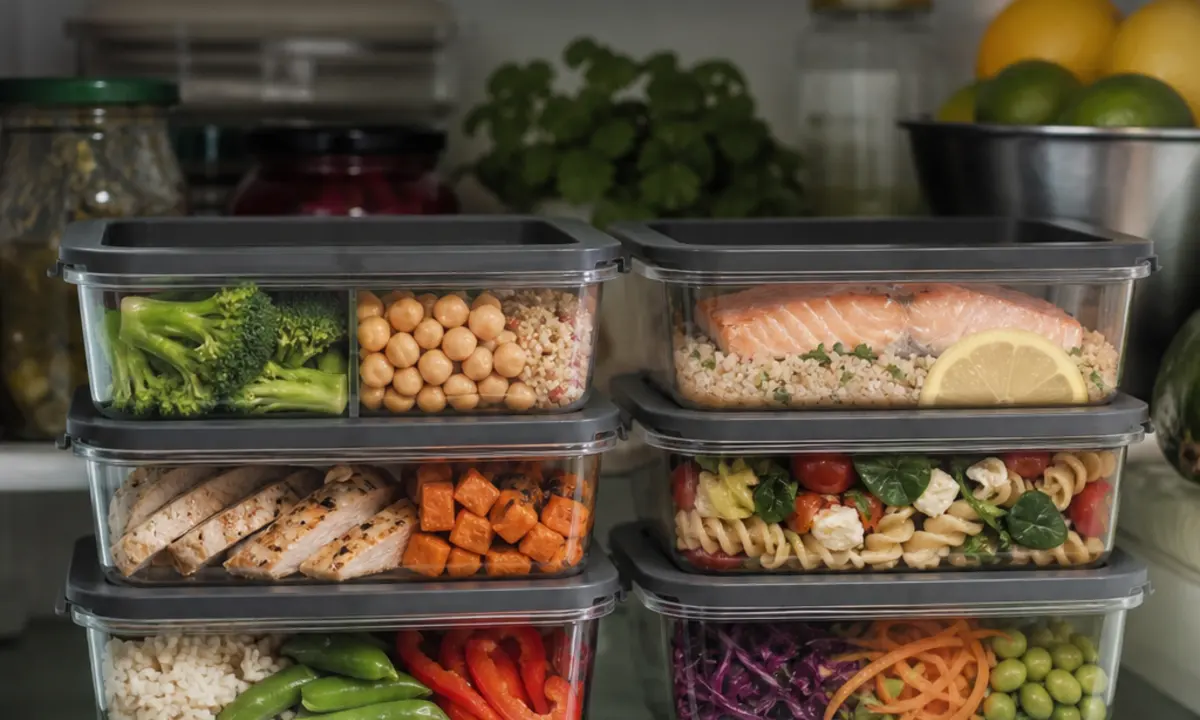
Rubbermaid Brilliance Plastic
Why it made the shortlistConsider when low weight and a stackable rigid shape matter. Confirm the selected set, use the built-in vents as directed and do not assume oven suitability.
- Useful for
- A lighter, rigid and stackable system for lunches and complete meals.
- Source-checked details
- Rubbermaid specifies freezer, microwave and dishwasher use for its Brilliance food-storage range, plus vented lids and a modular stack.
- Watch for
- The selected Amazon set and the manufacturer's reference set are not identical piece counts; verify the exact capacities shown on the live listing before buying.
Check the exact model, seller, availability and current terms on the live listing before buying.
Image note: This generic, unbranded image illustrates the product type and is not a photograph of the exact named product.
Match the route to the meal
Label for the person doing the reheating
- Food name: use enough detail to distinguish similar meals.
- Stored date: support rotation and a visible use-first zone.
- Portion: note one meal, two servings or a measured amount.
- First step: refrigerator, cold water, microwave or a supported from-frozen route.
- Container instruction: remove lid, unlatch, vent, place on a dish or transfer to another vessel when the manufacturer requires it.
Connect the label to the first-in, first-out rotation system, and size portions with the capacity and shape chart.
Sources and evidence boundaries
Safety guidance comes from USDA, FDA and FoodSafety.gov. Product statements come from current manufacturer pages and the recorded Amazon links for the named ASINs. Kitchen Flow Lab did not test heating speed, cold spots, thermal shock, seal performance or food quality.
Useful detail
Questions between the freezer and the table
A complete reheating route starts with the food label, package condition and instructions for the exact container.
Why is the kitchen counter not a general thawing plan?
The outside of food can warm while the center remains frozen. Use an approved thawing method for the food and timing available, and follow current food-safety guidance rather than relying on room temperature.
What should be checked before the package enters an appliance?
Confirm the food, package condition, appliance suitability and the required lid or vent position. Transfer the food when the container instructions do not support the chosen microwave or oven route.
Check lid, closure and venting decisionsHow can the routine support more even microwave reheating?
Use a suitable shallow portion, follow appliance and food guidance, pause to stir or rearrange when appropriate, and verify the final temperature. Package shape helps the process but does not replace the temperature check.
Plan the next batch
Build breakfast portions around the morning route.
Use a small set of breakfast formats, portion them for the actual weekday and give every item a clear thawing or reheating instruction.
Build the breakfast system →