Four designs solve four different jobs
Rigid latching container
Simple fill-store-thaw workflow with strong stack geometry.
Stand-up silicone bag
Flexible storage with less bulk when empty.
Self-standing silicone container
Flexible walls with a more stable filling shape.
Portion tray
Freeze measured units, then transfer them for compact longer-term storage.
The design checklist
Stability while filling: a wide base or supported tray reduces spills. Expansion space: liquids expand as they freeze, so use the product’s fill guidance rather than packing to the rim. Closure: confirm how the lid or seal is meant to be engaged and cleaned. Portion size: freeze the amount you normally reheat. Thawing route: decide whether the food will thaw in the refrigerator, be transferred to cookware, or be reheated in the container according to its instructions.
Choose the format by use case
Match the format to your filling, portioning, stacking and reheating routine. Product availability and details can change, so confirm the current listing and manufacturer instructions.
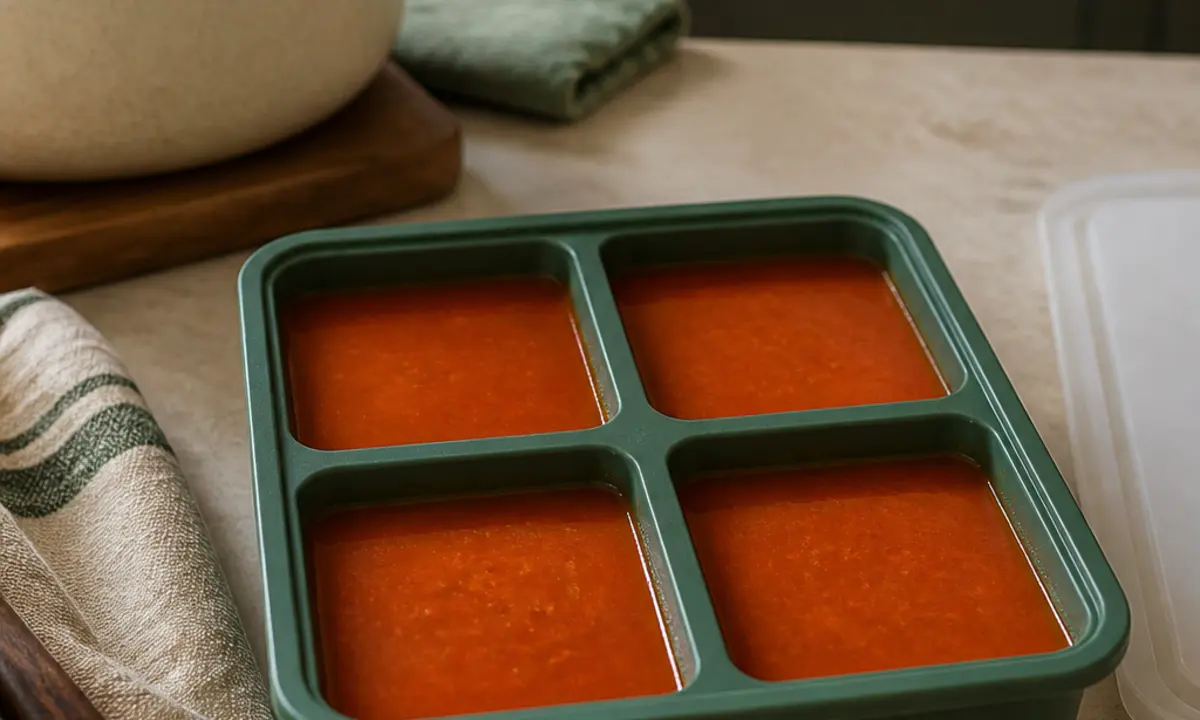
Souper Cubes 1-Cup Trays
Why it made the shortlistBest design fit in this shortlist for creating repeatable one-cup portions before transferring frozen cubes to another storage format.
- Useful for
- Freezing soup, stock and sauce in repeatable one-cup portions before transferring the frozen portions to compact storage.
- Source-checked details
- Souper Cubes specifies four one-cup wells per tray, half-cup and one-cup fill lines, a stacking lid and an oven-safe temperature of 415°F for the tray only.
- Watch for
- This is a portion-forming tray, not the final transport container. The lid is not oven-safe; follow the product instructions.
Check the exact model, seller, availability and current terms on the live listing before buying.
Image note: This generic, unbranded image illustrates the product type and is not a photograph of the exact named product.
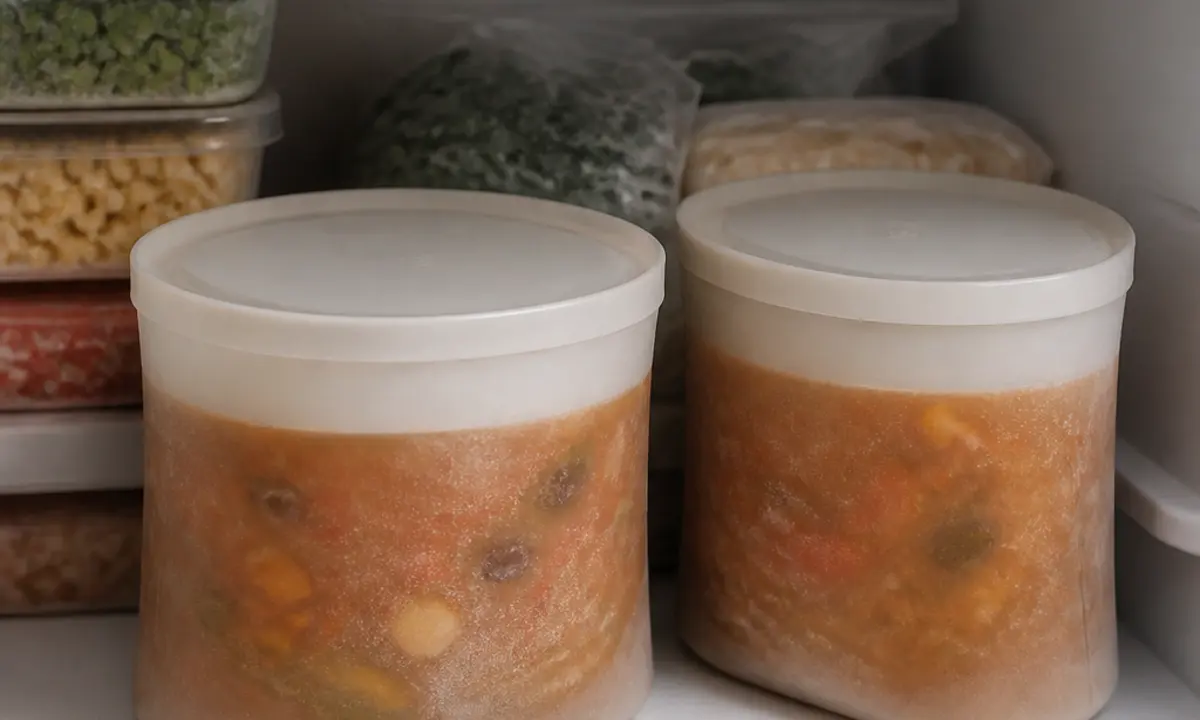
Ziploc Endurables Medium
Why it made the shortlistA versatile self-standing option when a four-cup batch and freezer-to-reheat workflow match your routine.
- Useful for
- A four-cup flexible container that can move from freezer to reheating while remaining self-standing.
- Source-checked details
- Ziploc lists a four-cup capacity, secure-seal design and freezer, fridge, microwave, dishwasher and oven use up to 425°F.
- Watch for
- Vent as directed before heating, place on the appropriate dish or pan, and use care with hot contents and grab tabs.
Check the exact model, seller, availability and current terms on the live listing before buying.
Image note: This generic, unbranded image illustrates the product type and is not a photograph of the exact named product.
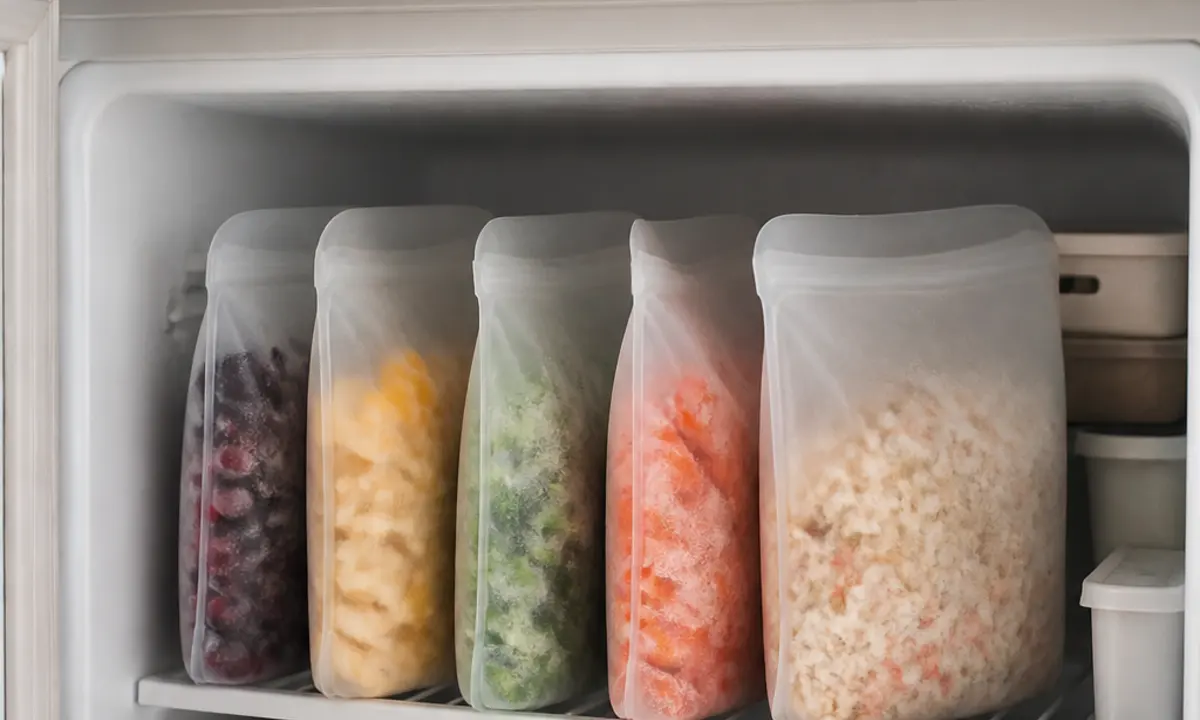
Stasher Stand-Up Mid
Why it made the shortlistA flexible format to consider when empty-storage bulk is a concern and you can support the bag during filling.
- Useful for
- Flexible freezer storage when an empty container should collapse into less space.
- Source-checked details
- Stasher specifies a 56 fl oz stand-up format, Pinch-Loc seal, and freezer, microwave, dishwasher and oven use up to 425°F.
- Watch for
- Flexible sides can be less stable than rigid boxes while filling and stacking. Keep the seal clean and avoid sharp objects.
Check the exact model, seller, availability and current terms on the live listing before buying.
Image note: This generic, unbranded image illustrates the product type and is not a photograph of the exact named product.
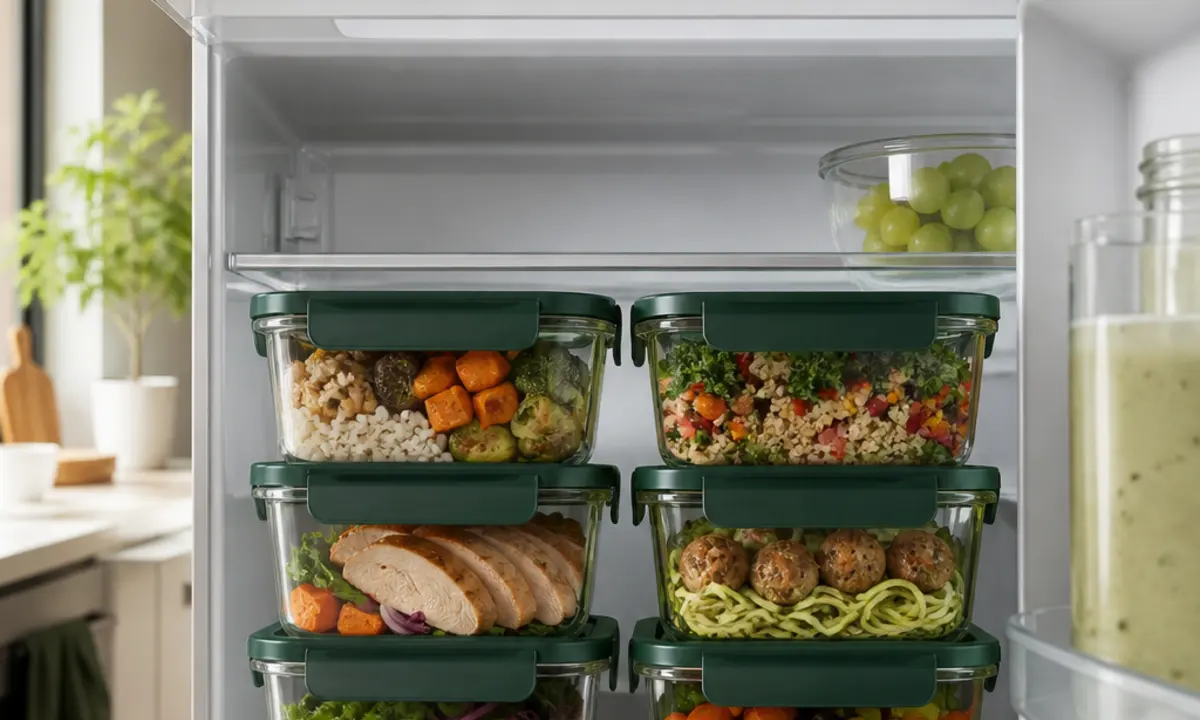
Rubbermaid Brilliance Glass
Why it made the shortlistA rigid option for users who value stack stability, visibility and manufacturer-specified reheating routes.
- Useful for
- A stackable glass system when reheating and stain resistance matter.
- Source-checked details
- Rubbermaid lists the range as freezer-, microwave- and dishwasher-safe, with glass bases oven-safe to 450°F. The manufacturer also specifies modular stacking and universal lids across Brilliance materials.
- Watch for
- Glass is heavier and takes more fixed freezer space. Follow the exact thermal-shock and lid instructions supplied with the product.
Check the exact model, seller, availability and current terms on the live listing before buying.
Image note: This generic, unbranded image illustrates the product type and is not a photograph of the exact named product.
A compact soup system
- Choose one repeatable serving unit. One cup, two cups or a family-size portion should reflect how you actually serve the food.
- Freeze only in containers specified for freezer use. Follow the exact fill, lid and cooling instructions.
- Label content and date. Place older portions in the visible “use first” zone.
- Separate forming from storing when useful. A portion tray can create standard units; transferred portions can then be arranged compactly.
- Reheat by the approved route. Use the container maker’s instructions and bring leftovers to the FoodSafety.gov reheating temperature.
Common mistakes to avoid
- Filling to the rim without allowing for expansion.
- Assuming every lid can be microwaved, oven-heated or fully sealed during reheating.
- Stacking flexible containers before the contents are stable.
- Freezing one large batch when you normally need one serving.
- Using price or star ratings as substitutes for fit, capacity and verified instructions.
Useful detail
Soup storage questions with practical answers
Liquid foods expose weaknesses in portion size, fill stability, expansion room and the route back to the table.
Should soup be frozen in one-cup, two-cup or family-size portions?
Use the amount normally reheated at one eating event. Smaller units offer flexibility and can reduce unnecessary thawing, while a larger household portion may reduce packaging. The useful size is the one your routine repeatedly empties.
Build a repeatable soup portion systemWhy does a soup container need expansion room?
Liquid expands as it freezes. Use the fill line or headspace instructions for the exact container rather than filling to the rim. The lid, rim and container shape all affect how that expansion is handled.
When should forming and storing be separate steps?
A portion tray can create repeatable frozen units, but it may not be the best long-term package. Once portions are fully frozen, transferring them to a suitable labelled storage format can make the freezer easier to arrange and count.
Add the portions to a visible inventoryBuild the full system
Match liquids with your complete-meal containers.
A small, repeatable set is easier to maintain than a collection of one-off products.
Return to the buying guide →