Choose the portion before the container
Start with the reheating event: a single lunch, dinner for two, a family pot, or a measured cooking ingredient. That decision prevents a common mismatch: buying a container size first, then discovering that the frozen amount is awkward to thaw or produces leftovers twice.
Single meal
Use a portion that matches one planned lunch or dinner, with enough room for safe expansion.
Shared meal
Size the portion for the people normally eating, not the maximum capacity of the vessel.
Recipe building block
Freeze broth, sauce or stew base in a repeated measured unit that maps to recipes.
Flexible reserve
Several smaller blocks can be combined, while one oversized frozen block cannot be divided easily.
The safe portion-and-freeze sequence
- Plan before cooking ends. Set out clean shallow cooling containers, final freezer vessels, labels and a clear refrigerator/freezer route.
- Cool promptly. FDA recommends dividing large amounts of leftovers into shallow containers so they cool more quickly in the refrigerator.
- Measure the useful amount. Use the same ladle, measuring cup or marked fill line so repeat portions stay comparable.
- Leave appropriate headspace. Liquid expands when frozen. Follow the exact vessel or NCHFP guidance rather than filling to the rim.
- Label before freezing. Record the contents, stored date and portion amount if it will help later.
- Freeze promptly at 0°F (-18°C) or below. Keep containers stable and avoid stacking warm food into a dense insulated block.
- Thaw and reheat safely. Use a USDA-approved thawing route; FDA advises bringing soups, sauces and gravy to a boil when reheating.
Three container routes for different soup jobs
These examples are included to show distinct formats, not to rank every available product. Product and manufacturer information was checked on 18 August 2026; verify current listing details and instructions.
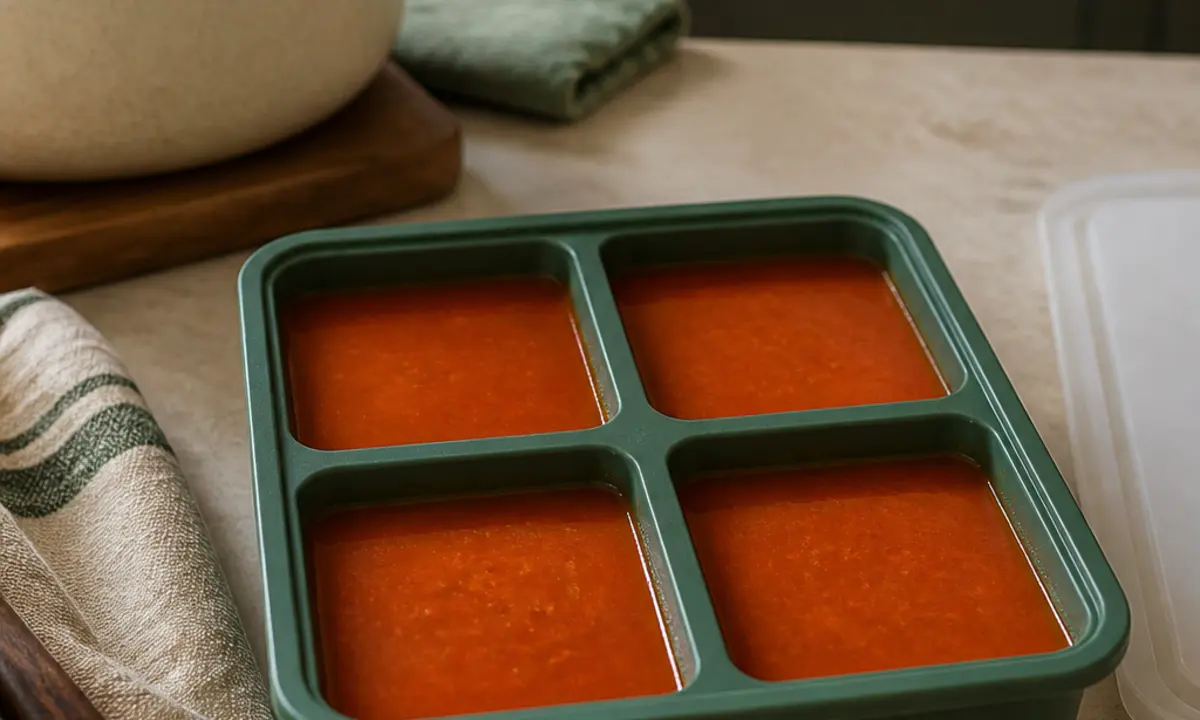
Souper Cubes 1-Cup Trays
Why it made the shortlistConsider when repeated measured frozen blocks help you combine or separate portions; transfer and storage still need a food-safe, labelled workflow.
- Useful for
- Freezing soup, stock and sauce in repeatable one-cup portions before transferring the frozen portions to compact storage.
- Source-checked details
- Souper Cubes specifies four one-cup wells per tray, half-cup and one-cup fill lines, a stacking lid and an oven-safe temperature of 415°F for the tray only.
- Watch for
- This is a portion-forming tray, not the final transport container. The lid is not oven-safe; follow the product instructions.
Check the exact model, seller, availability and current terms on the live listing before buying.
Image note: This generic, unbranded image illustrates the product type and is not a photograph of the exact named product.
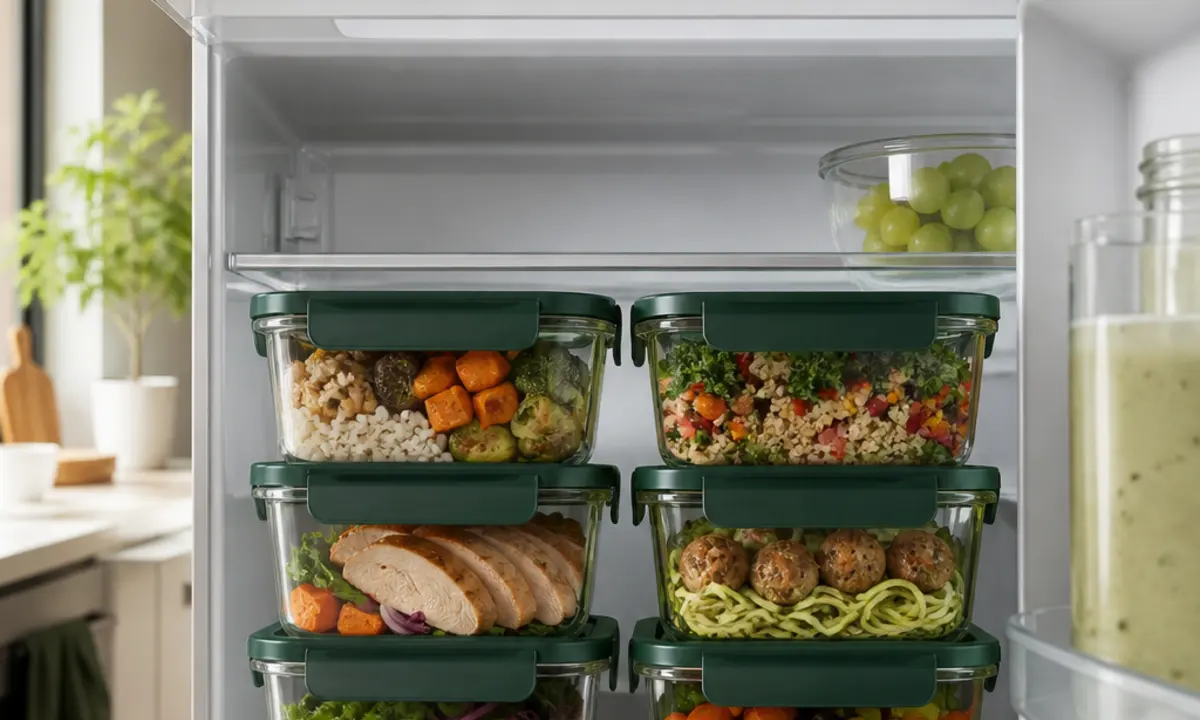
Rubbermaid Brilliance Glass
Why it made the shortlistConsider when a rigid meal container and a documented freezer-to-reheating route fit your routine; follow the exact lid and temperature-change instructions.
- Useful for
- A stackable glass system when reheating and stain resistance matter.
- Source-checked details
- Rubbermaid lists the range as freezer-, microwave- and dishwasher-safe, with glass bases oven-safe to 450°F. The manufacturer also specifies modular stacking and universal lids across Brilliance materials.
- Watch for
- Glass is heavier and takes more fixed freezer space. Follow the exact thermal-shock and lid instructions supplied with the product.
Check the exact model, seller, availability and current terms on the live listing before buying.
Image note: This generic, unbranded image illustrates the product type and is not a photograph of the exact named product.
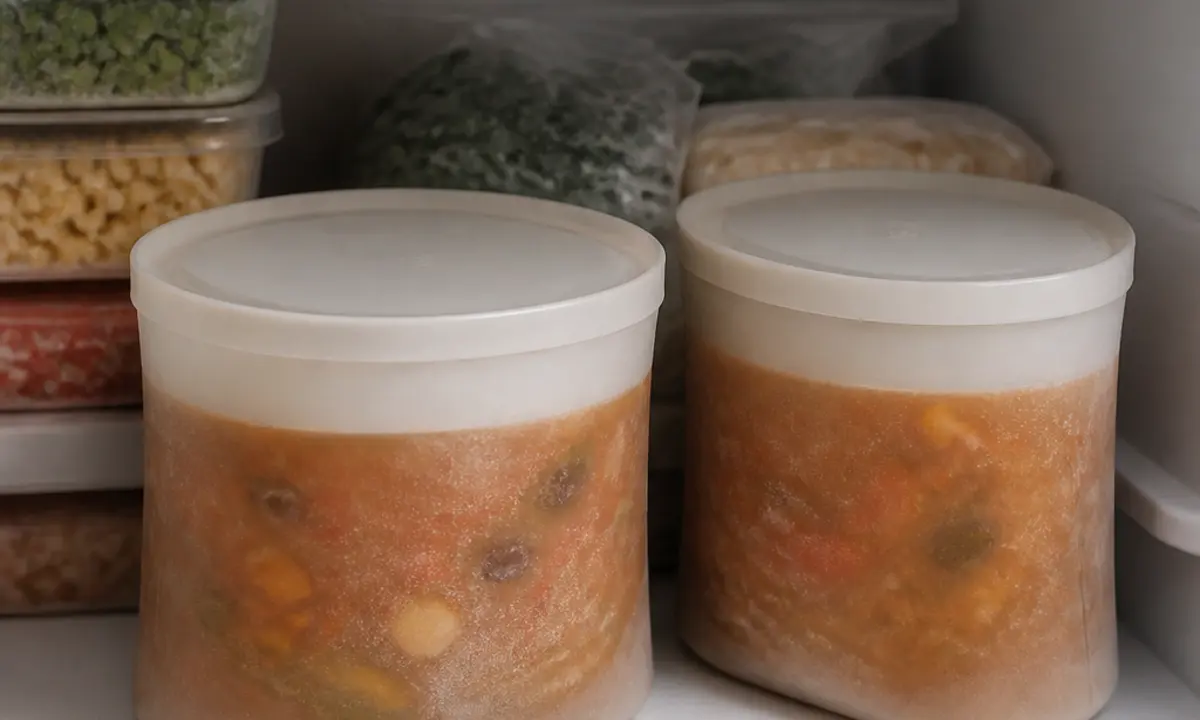
Ziploc Endurables Medium
Why it made the shortlistConsider when a flexible reusable vessel suits a moderate soup portion and the documented freezer and reheating directions match your method.
- Useful for
- A four-cup flexible container that can move from freezer to reheating while remaining self-standing.
- Source-checked details
- Ziploc lists a four-cup capacity, secure-seal design and freezer, fridge, microwave, dishwasher and oven use up to 425°F.
- Watch for
- Vent as directed before heating, place on the appropriate dish or pan, and use care with hot contents and grab tabs.
Check the exact model, seller, availability and current terms on the live listing before buying.
Image note: This generic, unbranded image illustrates the product type and is not a photograph of the exact named product.
Headspace without guesswork
Do not treat the top of the vessel as the fill line. The National Center for Home Food Preservation publishes headspace guidance for frozen foods and distinguishes foods that are mostly liquid from those with more solids. The exact safe fill depends on the container shape and food, so use the vessel manufacturer’s directions together with authoritative freezing guidance.
If you freeze in a portion mold, keep it level until solid. If you later transfer blocks to another package, work promptly, label the final package, and return it to the freezer before meaningful thawing occurs.
A label that makes the portion useful
- Name: distinguish similar foods, such as “tomato-lentil soup” rather than “soup.”
- Date: record when the portion entered the freezer system.
- Amount: note cups or a household serving unit when that helps planning.
- Finish step: add a short supported note such as “add dairy after thawing” only when the recipe calls for it.
Use the label and first-in, first-out guide to position older portions where they will actually be seen.
Sources and evidence boundaries
Food-safety guidance comes from FDA, USDA and NCHFP. Product facts come from current manufacturer information and the Amazon listings for the named ASINs. Kitchen Flow Lab did not perform leak, stain, temperature-shock or long-term texture testing.
Useful detail
A compact soup system, explained
The most useful soup system connects serving size, safe handling, packaging, labels and reheating before the first container is filled.
How do you choose one repeatable serving unit?
Use the amount you normally serve or add to a recipe at one time. One-cup, two-cup and family-size portions solve different jobs. Choose a small set of units that the household repeatedly empties rather than copying a universal portion.
Why separate forming from storing?
A tray can form measured frozen units, while a separate bag or container can provide the long-term label, closure and shelf arrangement. Use this two-stage method only when both products and the handling route support it.
Compare the container routesWhich soup-freezing mistakes create the most friction?
Common problems include filling past the instructed level, using one oversized portion, stacking flexible vessels before they are stable, losing the label and assuming a lid can follow every reheating route. Each problem is easier to prevent before filling.
Make the shelf work
Turn portions into a visible storage system.
Use consistent package footprints, a use-first zone and a simple inventory so frozen meals do not disappear behind each other.
Build a freezer inventory system →