Jump to the researched two-cup tray →
One cup and two cups solve different jobs
One-cup portions are flexible for soup, stock, sauce and smaller ingredients. A two-cup portion is better when the household normally reheats a larger bowl, a full serving of stew, a casserole block or a measured recipe component. Neither size is inherently more efficient. Efficiency comes from freezing the amount that will be used at one event.
Before choosing the tray, measure three familiar servings. A standard measuring cup is enough. If the meal consistently lands near two cups after leaving suitable headroom, a larger unit can reduce the number of blocks, labels and transfers. If two cups regularly produces leftovers, keep the smaller unit.
Four jobs for a two-cup block
Complete meal
Freeze one bowl-sized serving of stew, curry, chili or a soft casserole.
Meal for two
Use one block when the food is a side or sauce rather than the entire meal.
Recipe unit
Store a repeatable amount of stock, beans or sauce used in larger recipes.
Component pair
Fill to the one-cup line when a tray must support smaller units in the same format.
Forming and storing are separate decisions
A portion tray creates a predictable shape. It may not be the final long-term package. After the food is fully frozen, a suitable labelled bag or rigid container can protect the blocks and release the tray for another batch. This two-stage method works only when food-safety guidance and both products' instructions support the transfer.
The storage package should identify the food, stored date, block size and useful reheating note. If several foods produce similar-looking blocks, labels matter even when the color seems obvious on freezing day.
Plan the reheat route before filling
A thick two-cup block takes longer to thaw and reheat than two thinner one-cup portions. Decide whether it will thaw in the refrigerator, move into a saucepan, enter a microwave-safe dish or follow another approved route. The silicone forming tray does not automatically become the serving or reheating container.
For casseroles and layered meals, shape retention may be useful. For soup and stew, easy release and a pan-sized block may matter more. The future appliance and vessel should influence the portion geometry.
A current tray designed for larger portions
The Souper Cubes two-cup tray uses two wells with one-cup and two-cup fill lines. That makes it a useful research example for deciding whether one larger block or two smaller units better match the routine.
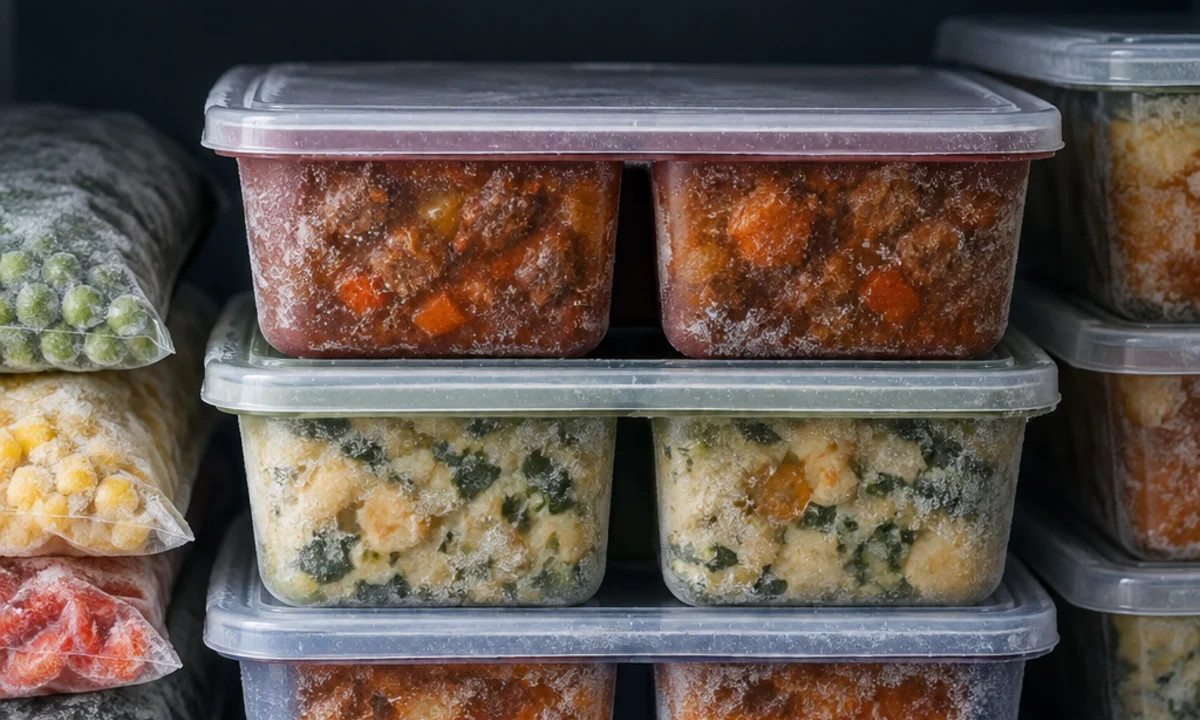
Souper Cubes 2-Cup Trays
Why it made the shortlistConsider when a two-cup block matches a complete meal or recurring recipe unit, and a separate labelled storage package will handle longer-term freezer organization.
- Useful for
- Forming larger portions for complete meals, casseroles, stews and recipe-ready two-cup units.
- Source-checked details
- Souper Cubes specifies two wells per tray with one-cup and two-cup fill lines, a steel-reinforced rim and a snug plastic lid. The manufacturer lists the trays as oven safe to 415°F, with the lids excluded from oven use.
- Watch for
- A two-cup block is useful only when that amount matches a real meal or recipe. Treat the tray as a forming tool and move fully frozen portions into an appropriate labelled storage format when the workflow calls for it.
Check the exact model, seller, availability and current terms on the live listing before buying.
Image note: This generic, unbranded image illustrates the product type and is not a photograph of the exact named product.
A simple portion audit
- Measure three real servings. Record what reaches the bowl, not the amount the recipe claims.
- Separate meals from ingredients. A two-cup meal and a two-cup recipe unit may need different labels and storage zones.
- Choose one primary fill line. Repetition makes the inventory easier to count and plan.
- Test the destination vessel. Confirm the frozen shape fits the pot, microwave dish or thawing container used later.
- Count by future use. Record four meals or three recipe units, not merely four blocks.
Useful detail
Two-cup portion questions
A larger block is useful when it equals one future action: one meal, one shared side or one recipe addition.
Is two cups automatically one serving?
No. Serving size depends on the food, appetite and how the portion is used. Measure familiar meals and choose the unit that is normally emptied at one event rather than treating the tray marking as a universal serving recommendation.
Why test the frozen block against the destination vessel?
A useful block should fit the saucepan, microwave dish or thawing container used later. A shape that freezes neatly but cannot enter the next vessel creates an avoidable transfer or splitting problem.
Should the portion stay in the forming tray?
That depends on tray availability, freezer space and the product instructions. Transferring fully frozen units to a suitable labelled package can release the tray for another batch and make the inventory easier to file and count.
Count blocks by future useSmaller portions
Compare the one-cup soup workflow.
Use smaller units when flexibility matters more than reducing the number of blocks.
See the soup portion system →